Help take the next
step in preventive health
Contribute to new knowledge about what helps us live longer, healthier lives.
As a LifeGene participant, you have already helped lay the foundation for the research now being taken forward in the Artemis study. Artemis builds on more than 15 years of health data from LifeGene participants and brings together researchers from several Swedish universities and research environments. Using advanced analyses and modern methods, researchers can study patterns in what helps us maintain health and prevent disease.
By participating, you contribute to this research while also gaining the opportunity to follow your own health through repeated examinations and medically reviewed results. You can see how your values and health trends develop over time and, as the study progresses, gain tools that help you understand your health in the context of your own history.
We have designed Artemis with great care for both scientific quality and participants' privacy. It is the participants who make this kind of research possible. Your participation can contribute knowledge that helps prevent disease earlier and gives more people a better chance of preserving their health throughout life.
 Professor Ulf GyllenstenPrincipal investigator, Artemis
Artemis is exciting research that starts from LifeGene's participants. By following people's health over time, we can create the knowledge needed to better prevent our major public-health diseases and give more people more healthy years.
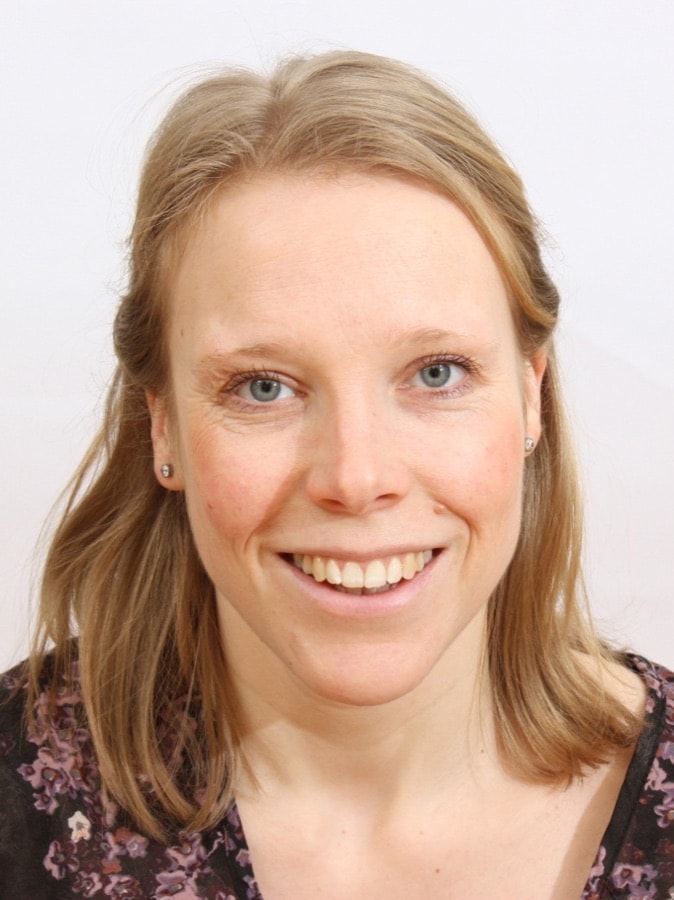 Sara HäggPrincipal Investigator, LifeGene
A clearer picture
of human health
To understand what keeps us healthy, we need to understand how genetics, biological markers, lifestyle and other factors interact, and how they change over time.
As a LifeGene participant, you have already contributed information about your health. Artemis builds on that foundation by adding new examinations, samples and lifestyle information.
By bringing these different layers together over a longer period, researchers can study what changes, what stays stable and which early changes may eventually prove important to our health.
Read more
What you get back
- Your clinical results
- Your clinical results are reviewed by medical staff. You are given an explanation of what the values mean and how they relate to the relevant reference ranges.
- Your development over time
- When you participate on several occasions, you can follow how your clinical values develop. This gives additional context beyond reference ranges and allows you to compare new results with your own earlier results.
- Guidance when something needs following up
- If a result needs following up, you are given information about the next step and, where needed, a recommendation to contact healthcare.
How your participation with Artemis begins
Artemis begins with a new mapping of your health as it is today. Through health questionnaires, examinations and samples you get a current picture of how you are, and a chance to see what may have changed since you participated in LifeGene.
Beyond the information from LifeGene, you can choose to share results from other health examinations and relevant healthcare contacts you have had outside LifeGene. By connecting compatible wearables to Artemis, you can also start contributing information from everyday life, such as activity, sleep and recovery.
Together, that information becomes a new starting point for following your own health onwards over time.
- Your health historyEarlier information and results
- New mappingHealth questionnaireHealth examinationResults from other health examinations
- Your health over timeHealth questionnairesHealth examinationsHome testsWearables

What does Artemis study?
Artemis brings together a broad range of health assessments and data to build a more complete picture of how health develops. Together, they provide a much richer view than any single test can.
- Health questionnaires
- Sleep, physical activity, diet, lifestyle and health.
- Physical health examinations
- Blood pressure, pulse, body measurements and physical function.
- Biomarkers
- Biological markers measured in blood and urine samples.
- Molecular analyses
- Biological processes and how they interact.
- At-home sampling
- Simple samples for more frequent follow-up.
- Wearables
- Data from compatible watches and rings, such as activity, sleep and recovery.
- Health register data
- Information from national health registers.
Read more
What is measured
- Health questionnaires
- General health, lifestyle and habits, diet, allergies and sensitivities.
- Physical examination
- Height, weight, waist and BMI, blood pressure, resting pulse, oxygen saturation and ECG. Also lung function by spirometry, fitness, vision, hearing and grip strength.
- Clinical blood analyses
- Some fifty analyses: blood counts, lipids, glucose and HbA1c, kidney and liver function, thyroid, iron and vitamins, inflammation markers and PSA.
- Molecular analyses
- DNA, RNA, proteins and metabolites are analysed from the stored samples, to follow biological processes and how they interact.
- At-home sampling
- Capillary blood and saliva between visits, to catch ongoing variation.
- Wearables
- Data from compatible watches and rings about activity, sleep and recovery between measurement occasions.
- Health register data
- Information from national health registers lets health be followed far back in time rather than only forwards.
The samples you give
Samples are taken by a nurse or other healthcare staff at the health examination. What is kept is stored at Karolinska Institutet Biobank.
- Blood sample from the arm
- The basis for both the clinical analyses and the research analyses. The same sample is used to determine blood counts and lipids, as well as for the molecular research analyses.
- Capillary blood sample from the finger
- A small prick taken at every examination, and one you can also take yourself at home between visits.
- Urine sample
- Used among other things to assess kidney function and for research analyses.
- Saliva sample
- A simple sample that can be given both on site and from home.
- Stool sample
- Used to study the gut flora and how it relates to health over time.
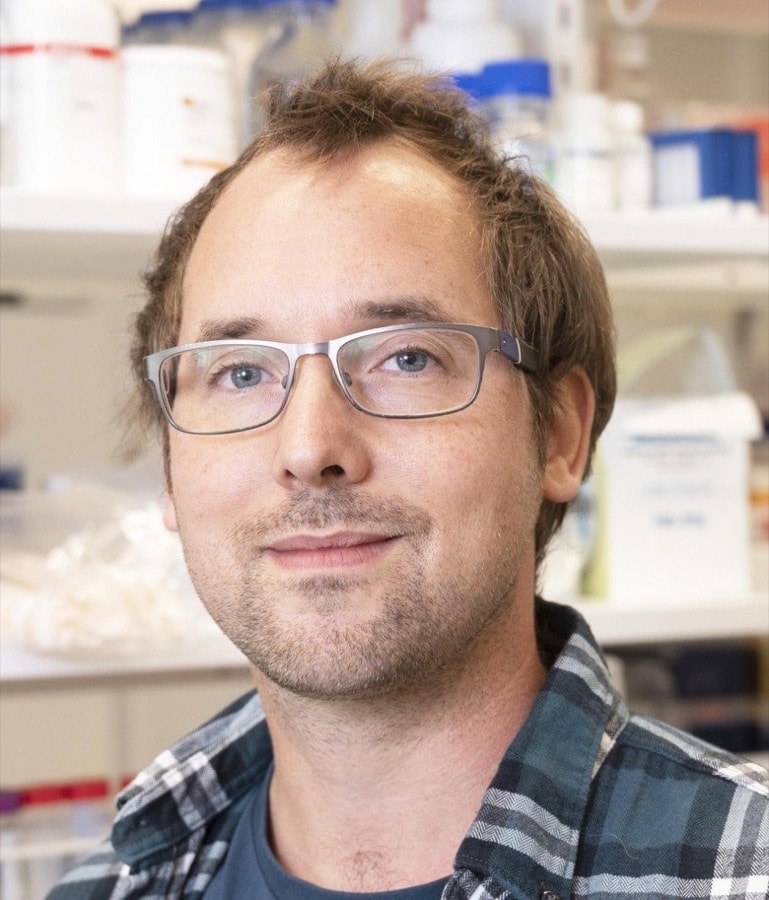
Artemis brings together leading research
Artemis is run and coordinated by ABC Labs and brings together researchers and experts from universities and research institutions across Sweden. Here are some of the people contributing to the study.



Frequently asked questions
about Artemis
What is Artemis?
Artemis is a research study looking at how health changes over time. By following the same people for many years, researchers study how genetics, lifestyle and medical history interact and influence health.
The aim is to develop better ways to prevent, detect and treat common diseases, taking each person’s individual circumstances into account. As a participant, you contribute to this research and have the opportunity to monitor your own health through regular health assessments.
Why have I been invited?
In its first phase, Artemis is inviting LifeGene participants. Information collected through LifeGene can be combined with results from new health assessments to study how health changes over time.
Your participation in LifeGene is therefore valuable. It allows researchers to study changes in health over a longer period than would be possible with a completely new study starting today.
What will I receive as a participant?
You will have regular health assessments and receive feedback on your results after they have been reviewed by medical professionals. This feedback may include lifestyle advice and information about anything that needs follow-up. You will also be able to ask the study’s medical staff questions.
Results from research analyses will not be shared with you individually, as they have not yet been validated for use in clinical care. They contribute to new knowledge about health and disease. You can follow the study’s overall progress and findings on the Artemis website and in scientific publications.
What does participating involve?
As a participant, you will be invited to regular health assessments that include sample collection and asked to complete health questionnaires. You will also be offered the opportunity to provide samples from home and use wearable health trackers.
I am not in Sweden for a few months. Can I still participate?
Yes. In the near term, sample collection takes place only in Sweden, but your participation is still valuable. You will be invited to sample collection in person, and if you cannot attend, you simply postpone it until you are back in Sweden.
Will sample collection only be available in Stockholm?
Initially, sample collection in person takes place in Stockholm, but it will expand in later stages. Your participation is valuable to the research in Artemis even if your sample collection happens a bit later.
Who is responsible for the study?
ABC Labs AB is responsible for Artemis. The principal investigator is Professor Ulf Gyllensten.
The study has been approved by the Swedish Ethical Review Authority.
What happens if an assessment finds something that needs follow-up?
Medical professionals will review your results and let you know about any further examinations or other steps that are needed. If necessary, you will be advised to contact your healthcare provider.
Are there any risks associated with participating?
Having a blood sample taken can cause temporary discomfort or pain. Healthcare professionals follow procedures to minimise the risk of infection when collecting samples.
Health assessments and learning about your health can also raise questions or cause concern. Medical professionals will therefore review your results, and you will have the opportunity to ask questions.
What information is used in the research?
Researchers use information from health questionnaires, health assessments, sample analyses and wearable health trackers. This includes information about your health, lifestyle and biological factors, as well as results from genetic analyses.
Information from your previous participation in LifeGene, health registers and medical records is also used to provide a more complete picture. This may include information about previous diagnoses, treatments and medications. Your personal identity number and contact details are used to identify you and keep in touch with you.
Conversations with medical professionals about your results are recorded for quality assurance and to improve how health information is explained to participants.
How is my information protected?
Your information is coded when it is entered into the research databases. This means that a separate key is needed to link the coded information back to you. Your information is stored in the study’s secure data environment.
When researchers do not need to know participants’ identities for their analyses, they use anonymised data, which can no longer be linked to individuals.
Your information is kept only for as long as it is needed for the project. It is then anonymised.
What happens to my samples?
Samples collected during your health assessments are sent for analysis. Research samples are labelled with a unique code and stored at Karolinska Institutet’s biobank, KI Biobank. Samples from the project are stored for as long as Artemis is ongoing.
You choose whether your samples may be stored in a biobank for the study. You make a separate choice about whether they may also be stored for other future research projects.
Do I also have to agree to future research?
No. You can participate in Artemis without agreeing to future research. Here, future research means new research projects beyond the research you participate in as an Artemis participant.
You make separate choices about whether your samples may be stored for this type of research and whether you may be contacted about future research. You can say no to either or both and still participate in Artemis.
Before your samples can be used in a new project of this kind, the Swedish Ethical Review Authority must review the project and decide whether you need to be asked for consent again.
Who can use information from the study for research?
Collaborating researchers may use information collected through the study for ethically approved research that supports the aims of Artemis. This may include researchers at universities and companies involved in research collaborations. Only the information needed for that research is shared.
Information about which studies use Artemis data will be published on the Artemis website.
Can I stop participating?
Yes. Participation is voluntary, and you can stop at any time without giving a reason. This will not affect any future healthcare or treatment you receive.
To stop participating, contact the principal investigator, Professor Ulf Gyllensten, at info@artemisresearch.se.
Will I receive any compensation, and am I covered by insurance?
You will not receive any compensation for participating in the study. You are covered by ABC Labs’ patient insurance when samples are collected.
Who can I contact if I have questions?
You are welcome to ask questions before deciding whether to participate.
For questions about Artemis or what participating involves, contact the principal investigator, Professor Ulf Gyllensten, at info@artemisresearch.se.
For questions about how your personal data is handled, contact the data protection officer at dpo@artemisresearch.se.
Can't find the answer?
Write to info@artemisresearch.se.
Ready to participate?
Here you can read the full information about Artemis and what participating involves. If you then want to go ahead, you continue to consent and signing. Participation is voluntary, and you can withdraw at any time.

About ABC Labs
ABC Labs was founded in 2020 to strengthen Sweden’s national COVID-19 testing and became the Public Health Agency of Sweden’s largest operational testing partner during the pandemic.
Today, ABC Labs works with advanced diagnostics, research and infrastructure for preventive health from its medical laboratory at Forskaren, next to Karolinska University Hospital in Stockholm. ABC Labs runs and coordinates Artemis.